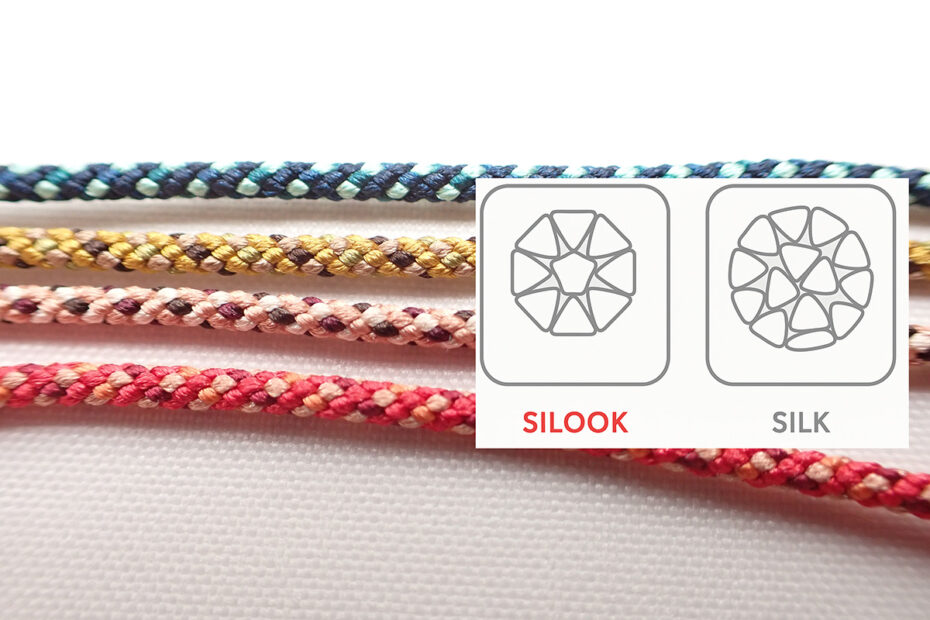
A silk-like shine, crafted with Japanese precision.
A reliable material that raises the standard for your design work.
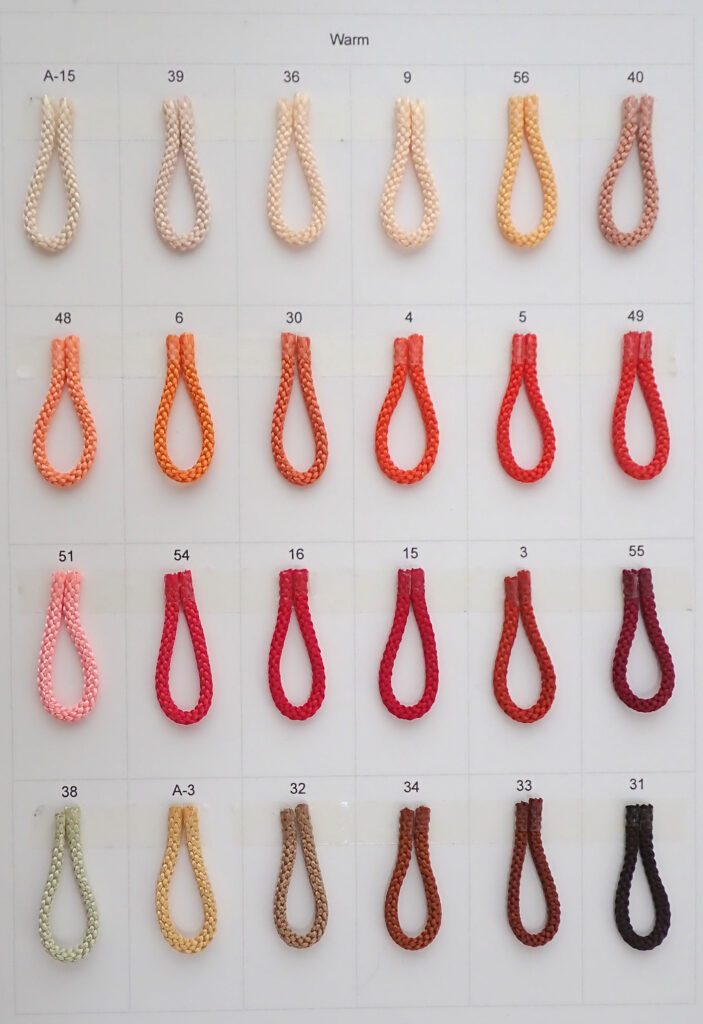
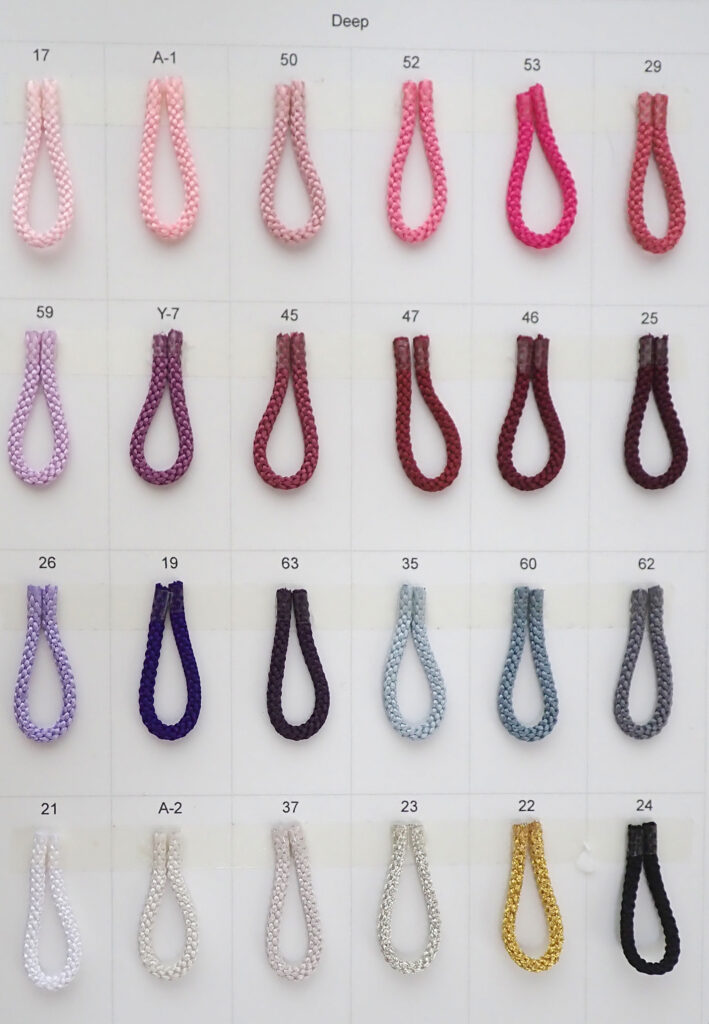
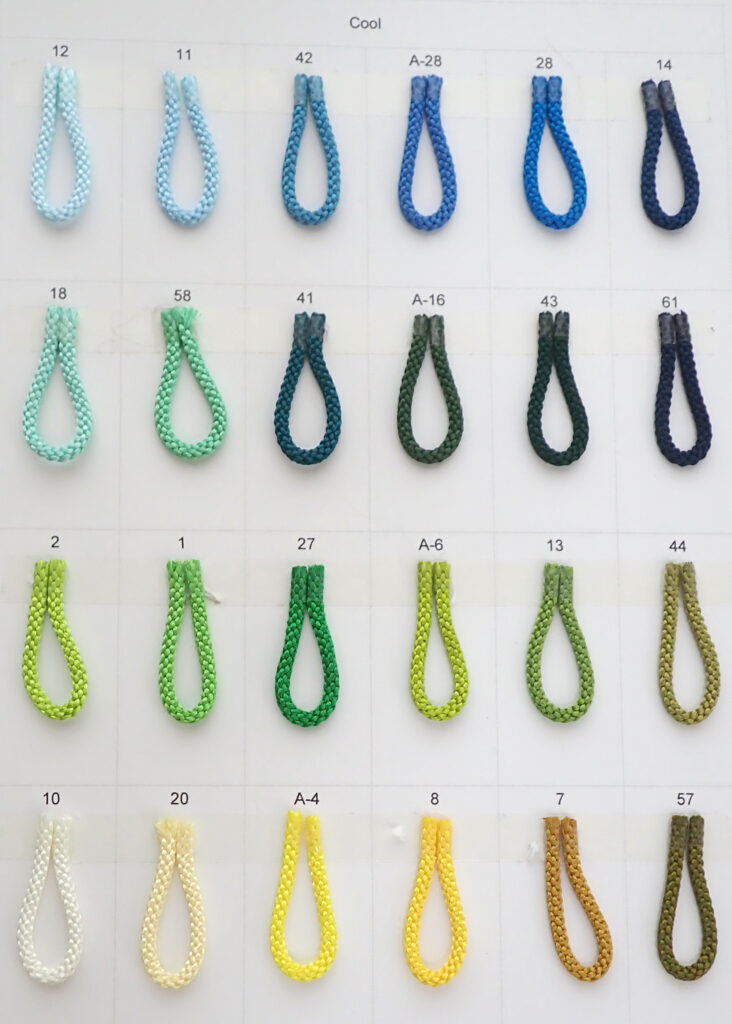
Miyabi Jewelry Cord is braided in Kyoto using Toray’s Silook® filament—an engineered fibre with a refined, silk-like shine.
The triangular cross-section of Silook® fibres creates a smooth, elegant surface with consistent color lots, excellent handling, and long-term durability.
Compared with natural silk or standard polyester, kumihimo made with Silook® offers superior refinement and stability—ideal for pendants, minimal jewelry, bracelets, and designers who work with overseas production workshops.
⸻
What is Silook?
Silook® is a high-performance Japanese filament developed by Toray to recreate the natural beauty of silk while maintaining exceptional usability for production.
Key qualities
- A sophisticated, soft, silk-like luster
- Sweat- and moisture-resistant
- Highly durable and abrasion-resistant
- Very stable color between production lots
- Excellent color accuracy—photographs beautifully
- Ideal for designers outsourcing to overseas workshops
Silook® strikes a rare balance:
easier to handle than natural silk, yet far more refined than standard polyester.
⸻
Silk-like shine from a triangular, multi-faceted cross section
One of Silook®’s defining characteristics is its triangular filament cross section, which closely resembles the structure of natural silk.
This multi-faceted geometry scatters light softly, producing a natural, elegant glow without harsh reflections.
Below is a comparison of the cross-section structures of Silook, natural silk, and polyester:
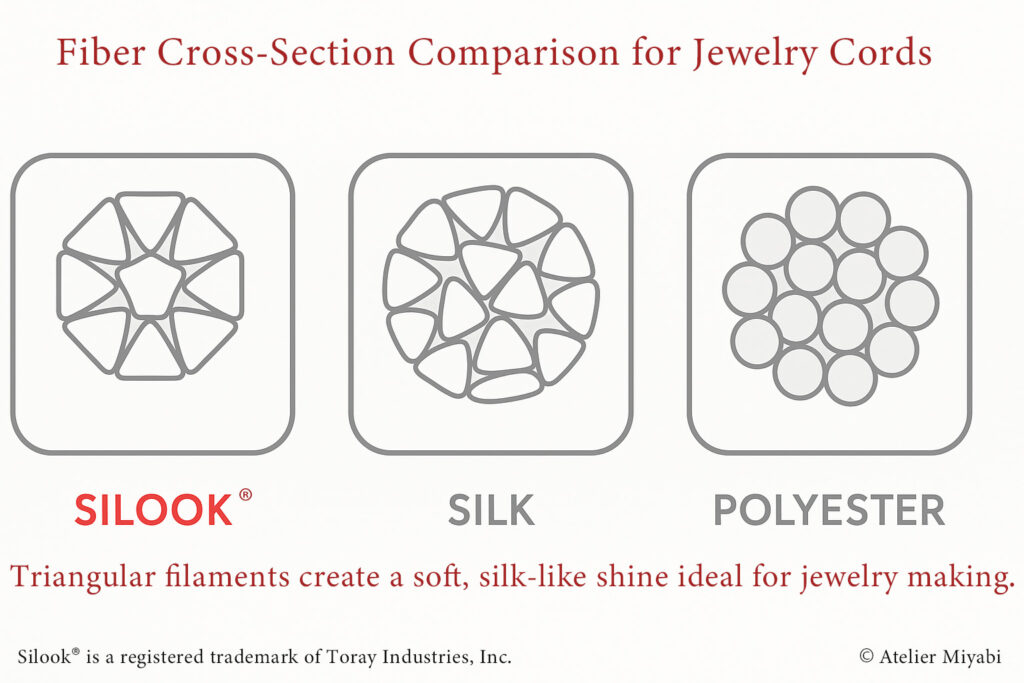
Figure Caption:
Silook (left) uses uniform triangular filaments for refined shine, silk (centre) shows naturally irregular triangles, and polyester (right) uses circular filaments with harsher reflection.
Silook®: uniform triangular filaments
- Evenly shaped triangular filaments
- Multi-directional light reflection → elegant glow
- Excellent for high-end pendant cords and fine jewelry
Silk: naturally irregular triangles
- Organic variations in shape
- Creates gentle, natural shimmer
Polyester: circular filaments
- Uniform circles reflect light in a single direction
- Surface appears harsher and shinier
This structural difference directly influences shine, color depth, photography quality, and the overall impression of your finished jewelry.
⸻
Crafted in Kyoto — consistency and beauty in every strand
Our Silook kumihimo cords are braided in a traditional Kyoto workshop using precise Japanese craftsmanship.
Artisans maintain consistent tension and structure throughout the braid, ensuring flawless roundness—even at delicate diameters.
Why Kyoto craftsmanship matters
- Stable production from 1mm to 12mm
- Traditional Japanese braiding methods adapted for modern jewelry
- Kyoto-driven color sensibility
- Strict inspection for consistent quality
- Reliable results for designers who outsource manufacturing
The combination of Japanese material quality + Kyoto craftsmanship makes Silook a dependable standard material for mid-level designers scaling their production.
⸻
Braiding structure changes everything
In kumihimo, the same material can look entirely different depending on the braid.
For jewelry designers, the most widely used structure is the Yatsu-gumi (Eight-Strand Round Braid).
What is Yatsu-gumi?
- A traditional round braid made from eight bundles
- Smooth, balanced roundness ideal for pendants
- Strong and flexible
- Pattern is determined by color placement →
High customizability and branding potential
Yatsu-gumi allows for:
- Brand color integration
- Subtle accents
- Gradients or two-tone effects
- Matching the cord to a pendant or charm
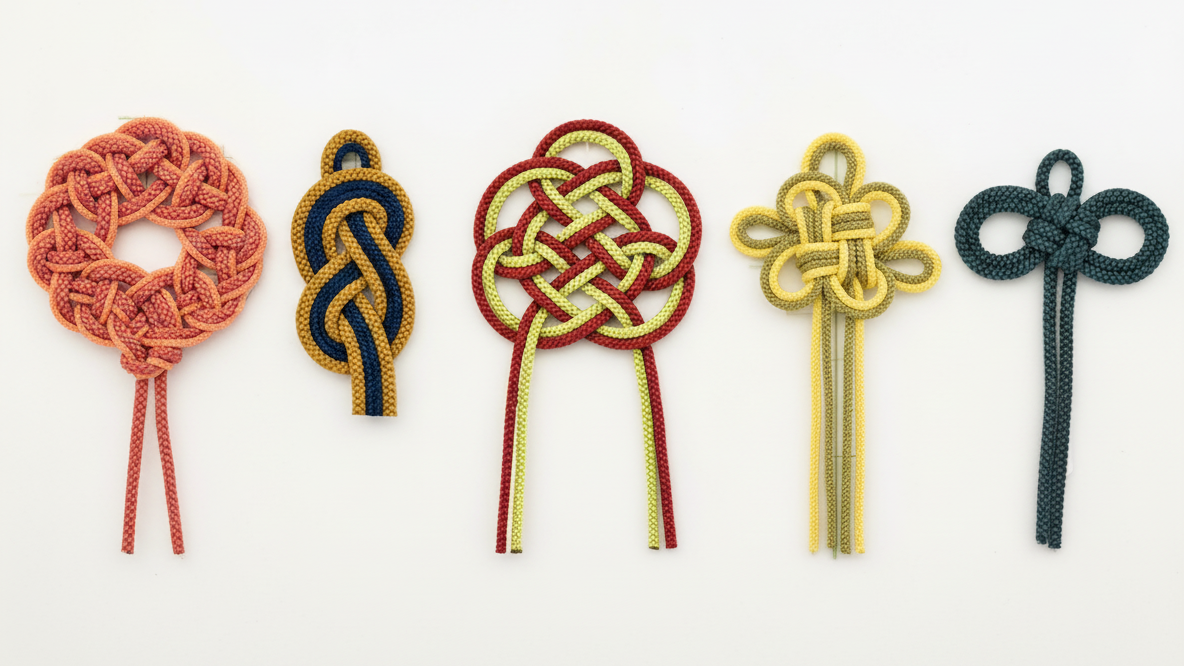
In short: excellent originality with stable structure—perfect for professional jewelry design.
⸻
Choosing the right thickness for your design
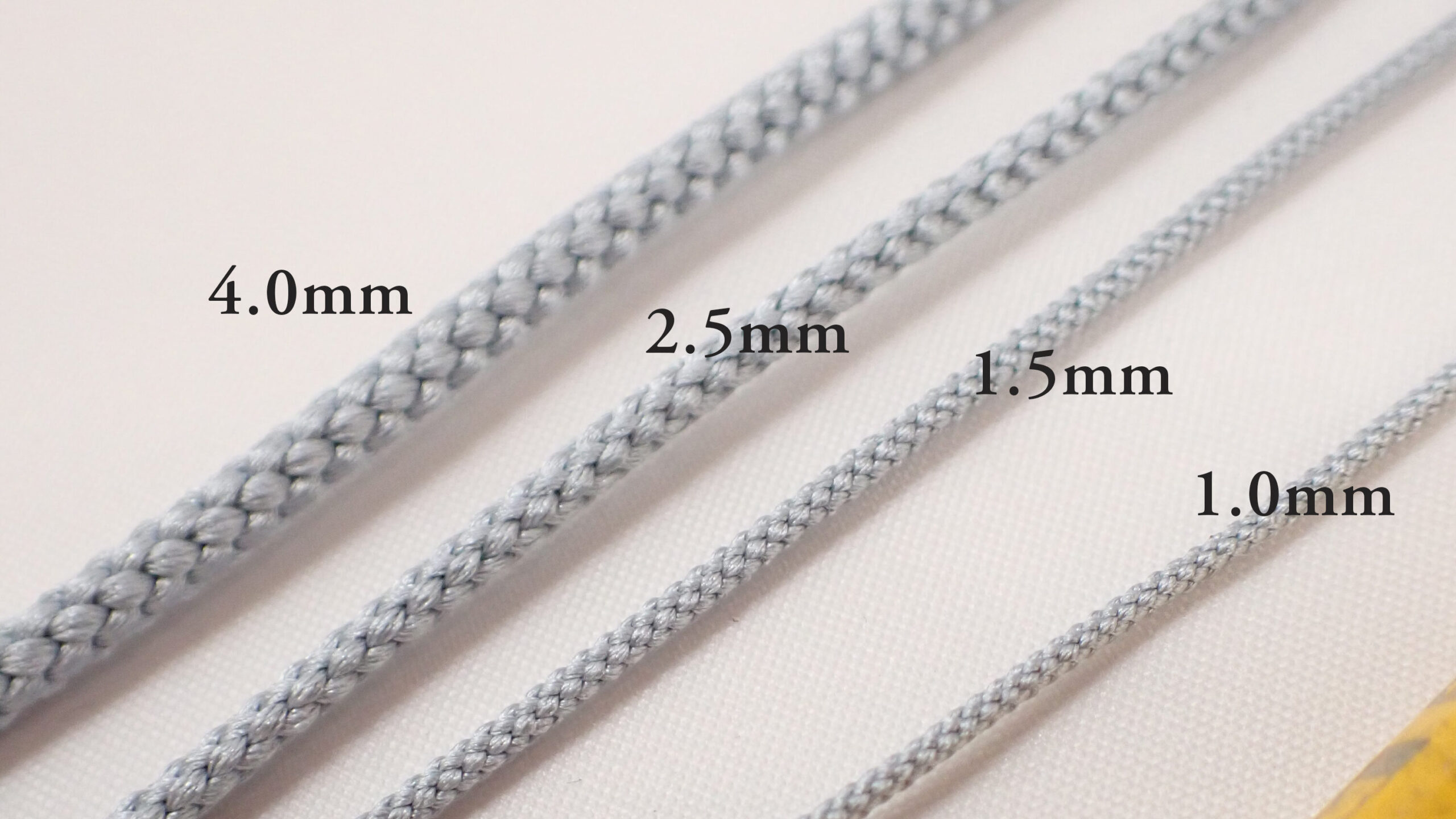
1mm
Delicate minimal jewelry, fine pendants
1.5mm
Best for everyday necklaces and unisex styles
2.5mm
For statement pendants and bolder designs
4mm
For artistic, high-impact accessory concepts
Thinner cords provide flexibility and drape. thicker cords show the braid pattern more clearly.
⸻
Color variations and designer-friendly options
We offer Silook kumihimo cords in a wide range of colors and configurations:
- Gold and silver–blended special colors
- “Colors of Kyoto” series
- Full lineup from fine to bold thickness
- Minimal, clean finishing for jewelry ends
- Theme-based color sets for consistent collections
These options make Silook especially easy to adopt as a brand-standard cord for designers producing collections season after season.
⸻
FAQ
What is Silook kumihimo used for?
Ideal for pendants, minimal jewelry, bracelets, and brand-standard designs.
Why is Silook better than polyester?
Its triangular cross section scatters light softly, offering a refined silk-like shine.
Is Silook suitable for professional production?
Yes. Stable color lots, durability, and smooth handling make it perfect for designers working with overseas workshops.
What braid type is best for jewelry?
Yatsu-gumi (Eight-Strand Round Braid) is the most stable and versatile for jewelry.
⸻
Conclusion
Silook kumihimo combines:
- the refined luster of silk,
- the durability required for daily wear, and
- the precision of Japanese craftsmanship.
From minimal necklaces to artistic pendants, this cord enhances the finish, presentation, and long-term reliability of your jewelry.
For designers who want dependable materials—and who manage production across multiple workshops—Silook is a material you can confidently adopt as a core standard for your brand.
Silook® is a registered trademark of Toray Industries, Inc.
This article refers to Silook® solely as a material name used in the production of the braided cords.
Products by Category
-
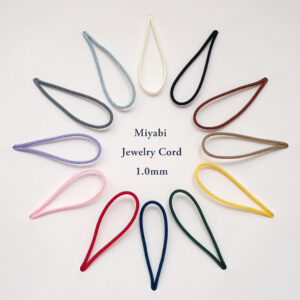
Japanese Kumihimo Polyester Cord 1.0mm – Braided Jewellery Cord
Price range: ¥900 through ¥8,500 -
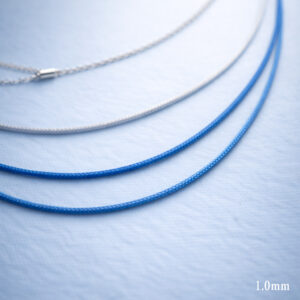
Japanese Kumihimo Polyester Cord 1.0mm – Braided Jewellery Cord 10m – Cool Colour Collection
¥9,000 -
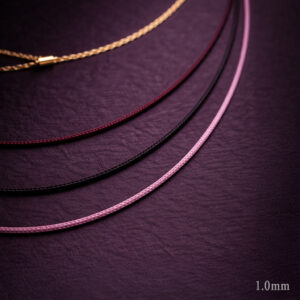
Japanese Kumihimo Polyester Cord 1.0mm – Braided Jewellery Cord 10m – Deep Colour Collection
¥9,000 -
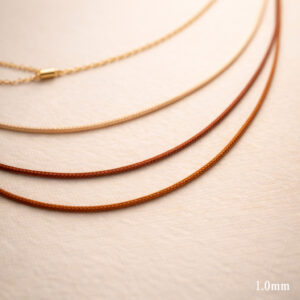
Japanese Kumihimo Polyester Cord 1.0mm – Braided Jewellery Cord 10m – Warm Colour Collection
¥9,000 -
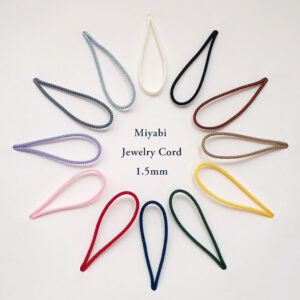
Japanese Kumihimo Polyester Cord 1.5mm – Braided Jewellery Cord
Price range: ¥1,100 through ¥10,500 -
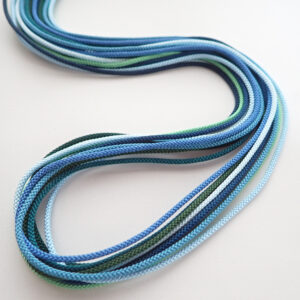
Japanese Kumihimo Polyester Cord 1.5mm – Braided Jewellery Cord 10m – Cool Colour Collection
Price range: ¥1,100 through ¥10,500 -
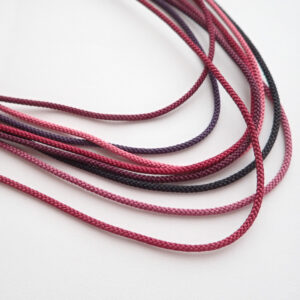
Japanese Kumihimo Polyester Cord 1.5mm – Braided Jewellery Cord 10m – Deep Colour Collection
Price range: ¥1,100 through ¥10,500 -
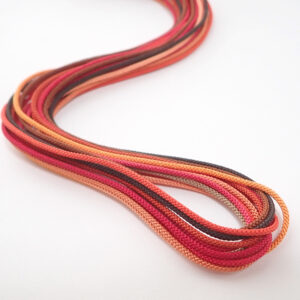
Japanese Kumihimo Polyester Cord 1.5mm – Braided Jewellery Cord 10m – Warm Colour Collection
Price range: ¥1,100 through ¥10,500 -
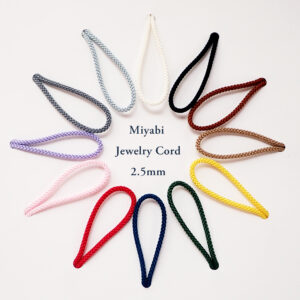
Japanese Kumihimo Polyester Cord 2.5mm – Braided Jewellery Cord
Price range: ¥1,200 through ¥11,500