Understanding the Structure of a Japanese Shrine Wedding
A Shinto wedding ceremony, known as shinzen shiki, is a traditional Japanese marriage ritual performed at a shrine.
Unlike Western-style weddings, Shinto ceremonies are rooted in spiritual symbolism, purification, and the idea of family harmony.
This article explains how a traditional Shinto wedding ceremony works and what each stage represents.
What Is a Shinto Wedding?
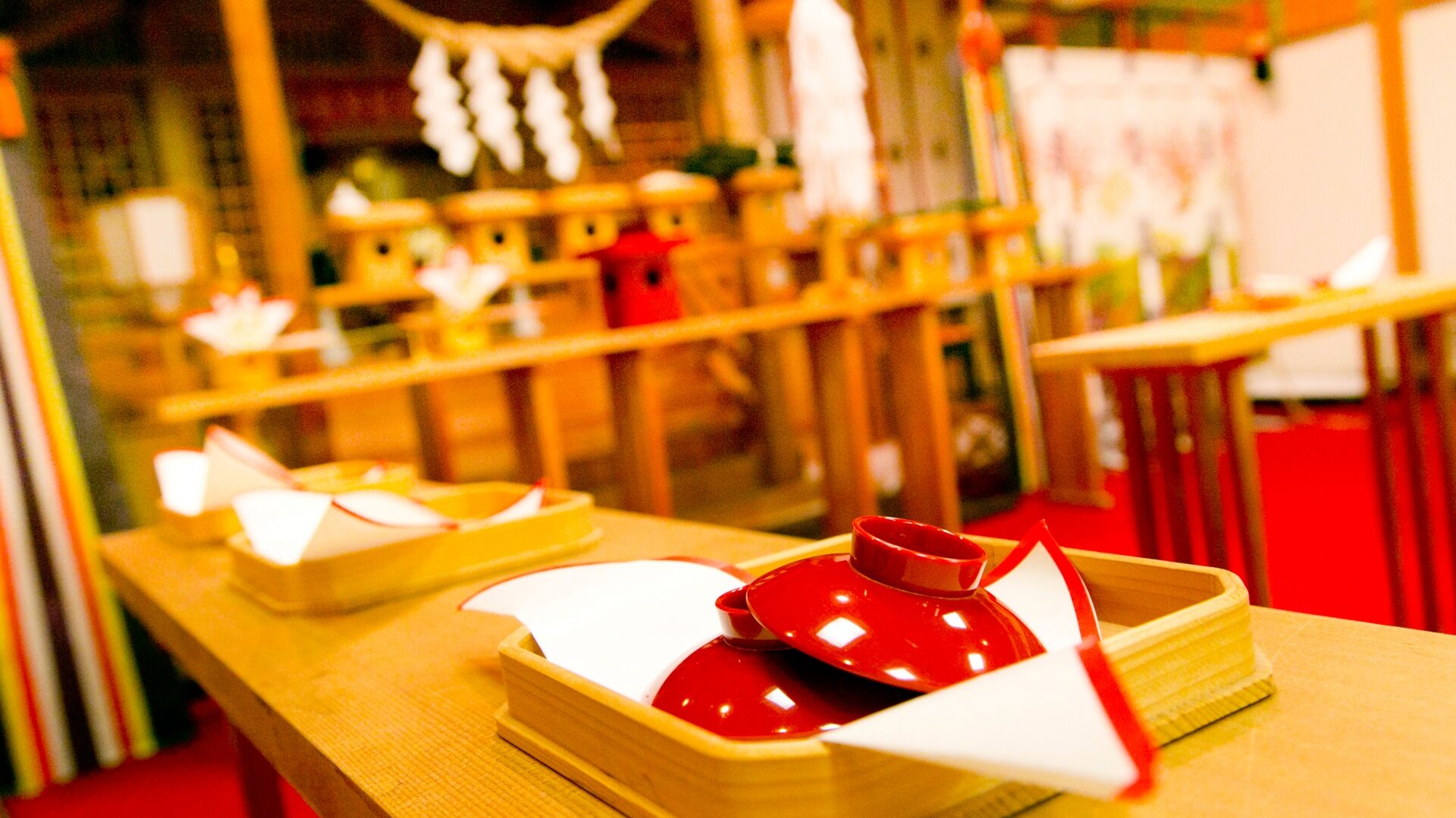
A Shinto wedding is conducted before the kami (Shinto deities) enshrined at a shrine. Rather than focusing solely on the couple, the ceremony emphasizes family unity, respect for ancestors, and spiritual connection.
The ritual is typically formal, quiet, and deeply symbolic.
The Flow of a Traditional Shinto Wedding Ceremony
While the exact format may vary slightly by shrine, most ceremonies follow a similar structure.
1. Sanshin (Procession)
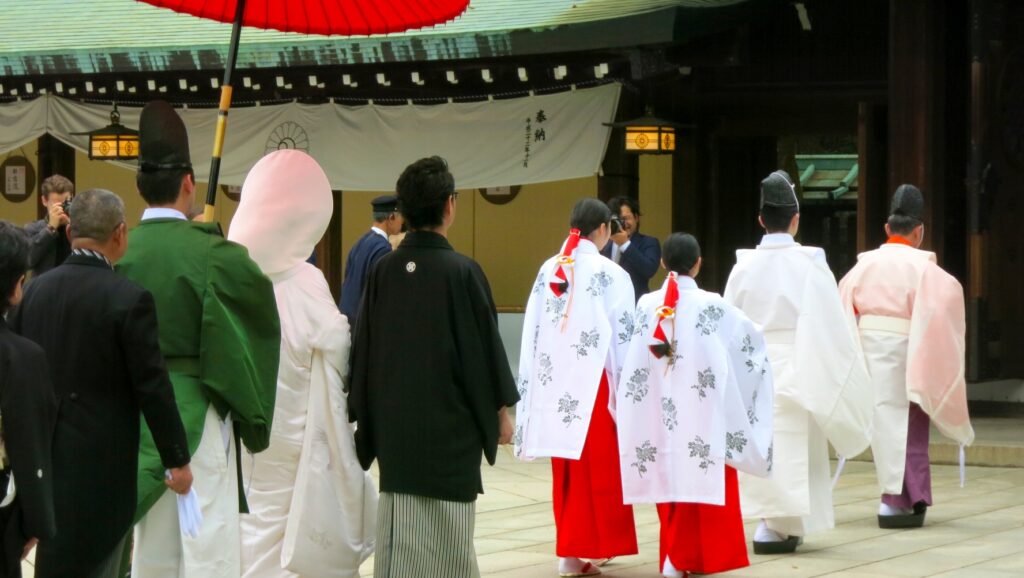
The ceremony often begins with a formal procession to the shrine hall. The couple, dressed in traditional attire, walks together accompanied by shrine attendants and family members.
This marks the transition from the ordinary world into sacred space.
2. Shubatsu (Purification)
A Shinto priest performs a purification ritual to cleanse the couple and participants of impurities. This reflects the importance of spiritual clarity before making vows.
3. Norito Sojo (Recitation of Prayers)
The priest recites a norito (Shinto prayer) to inform the kami of the marriage and ask for blessings.
The prayer expresses gratitude and requests protection for the couple’s future.
4. San-san-kudo (Three-Three-Nine Sake Ritual)
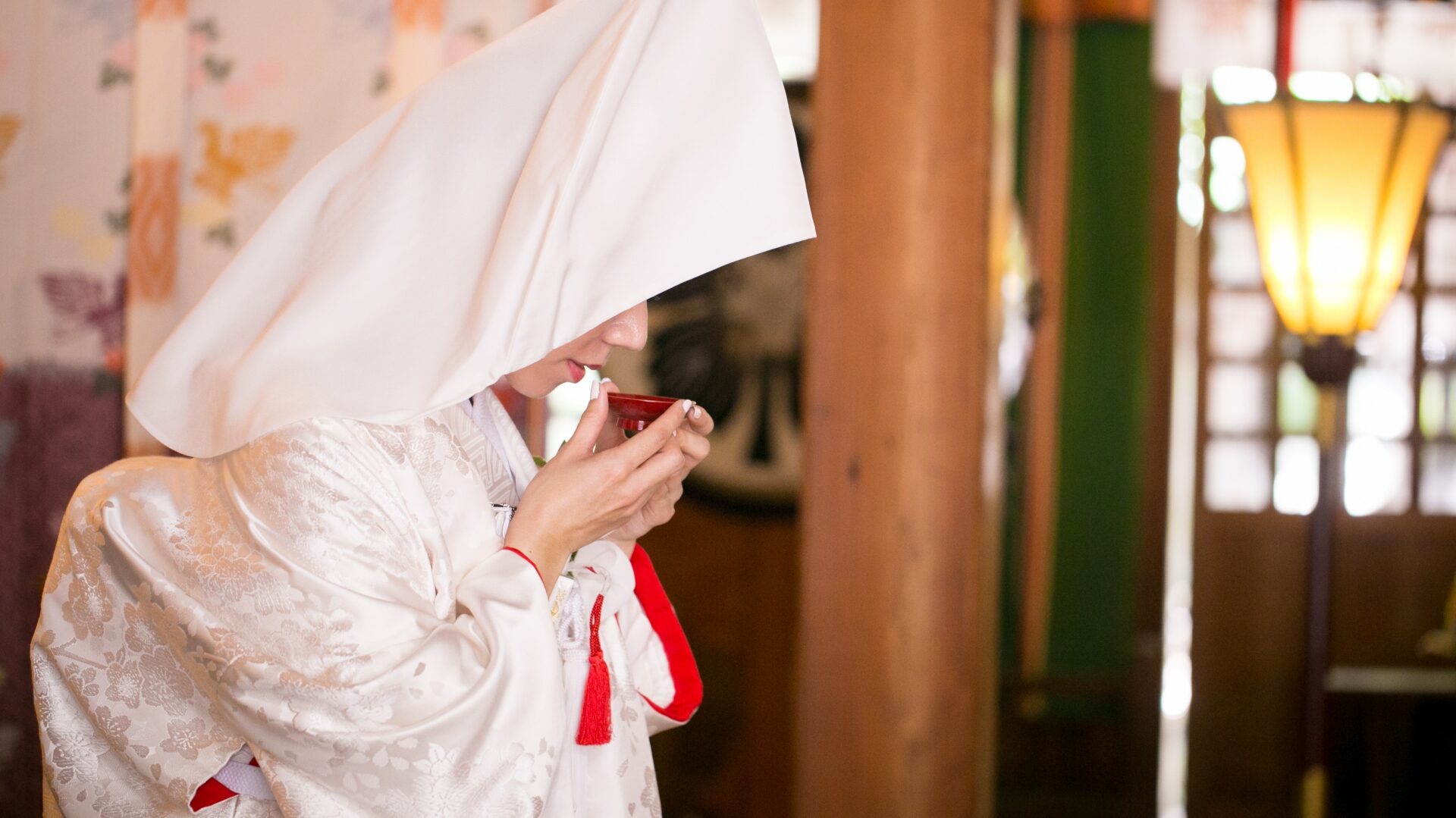
One of the most recognizable parts of a Shinto wedding is the sharing of sake.
The couple drinks sake from three cups in three rounds, symbolizing purification, gratitude, and the binding of two families. The number nine (three times three) is considered auspicious.
5. Seishi Sodoku (Vow Reading)
The groom traditionally reads a vow before the shrine deity, promising mutual support and lifelong partnership.
This vow emphasizes sincerity and responsibility.
6. Tamagushi Offering
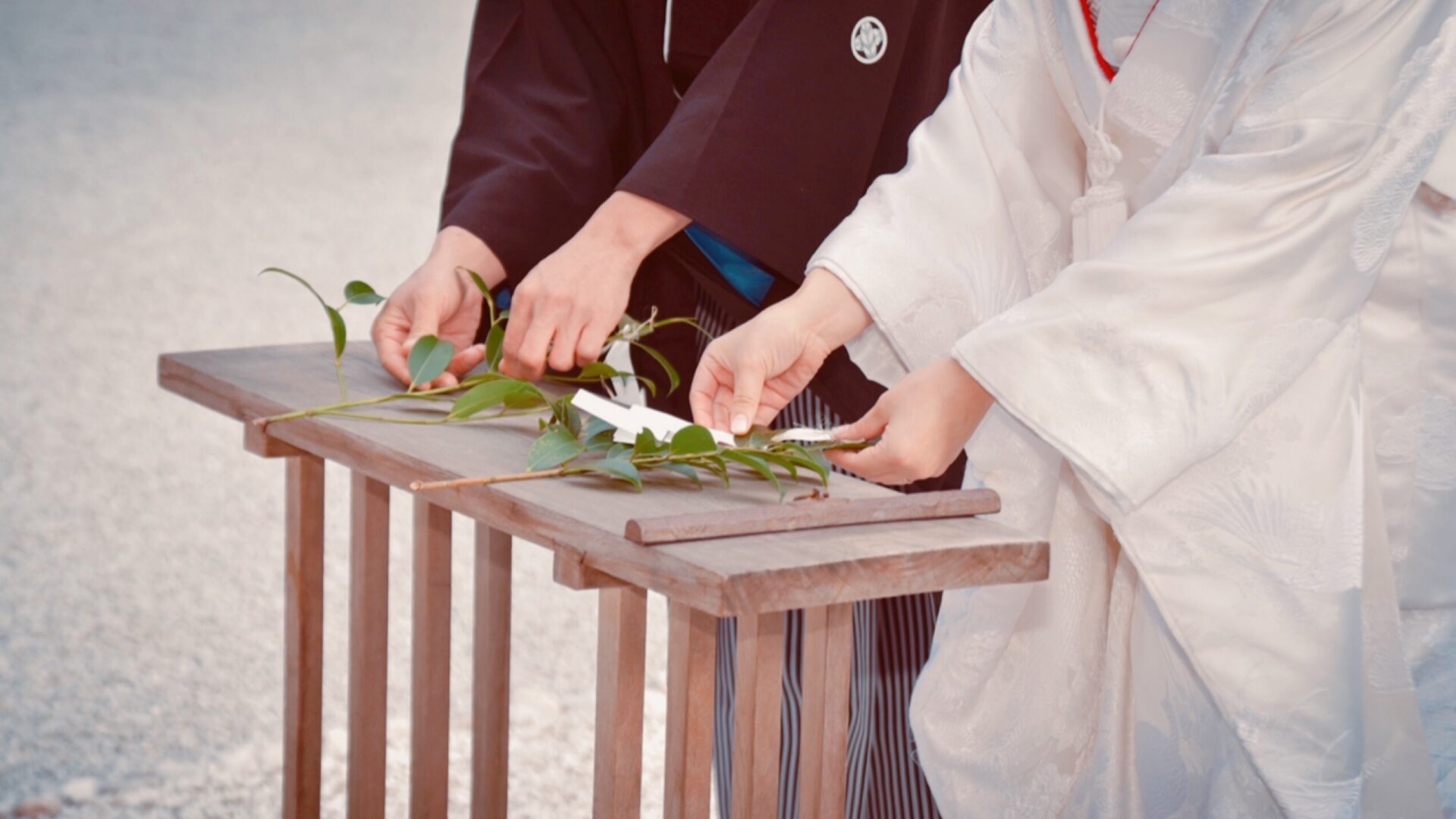
The couple offers a sacred sakaki branch (tamagushi) at the altar as a gesture of respect and devotion.
This act symbolizes humility before the kami.
Are Rings Always Exchanged in Shinto Weddings?
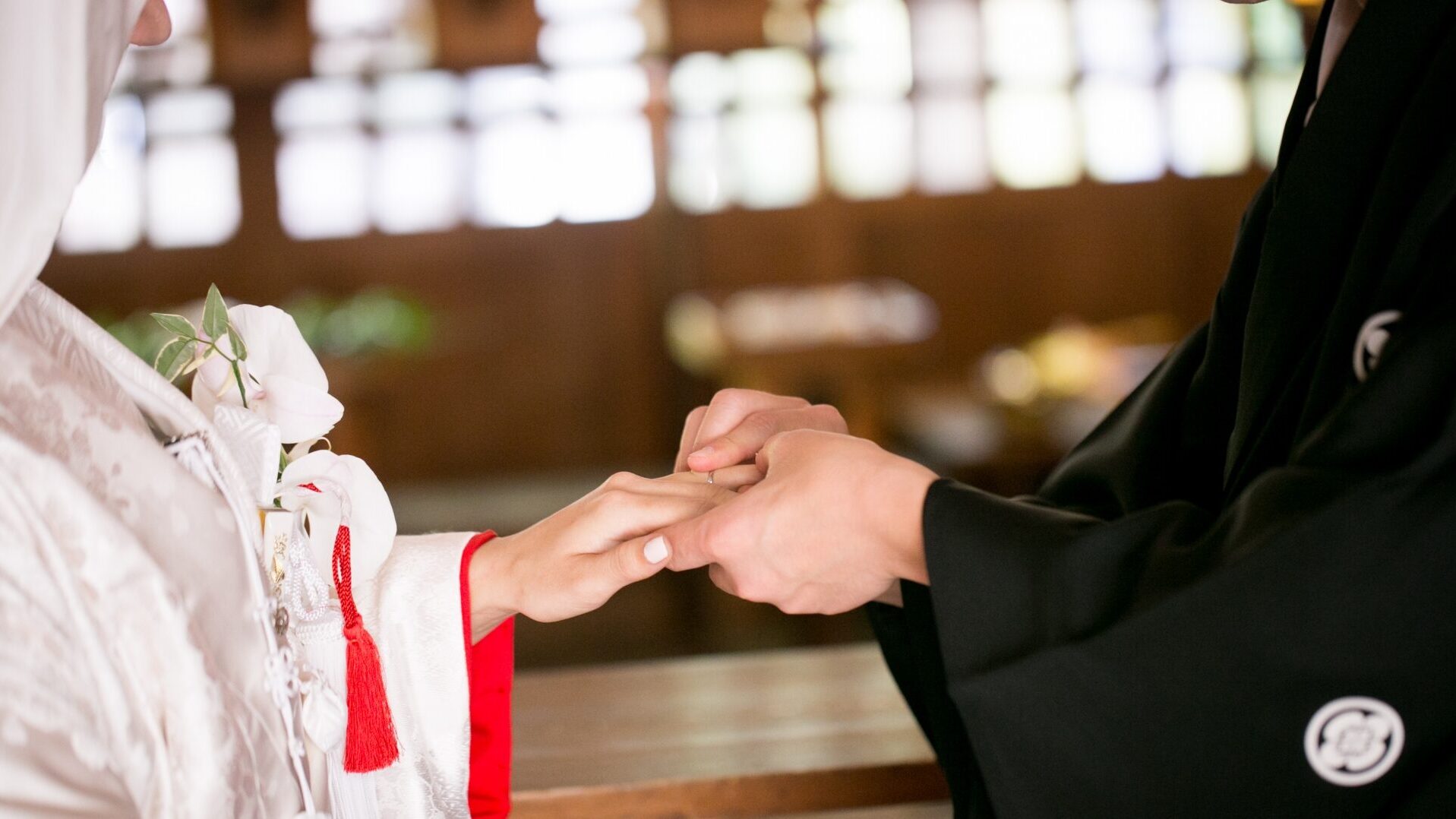
Ring exchange is not originally part of the traditional Shinto ceremony structure. It was incorporated later under Western influence.
Some couples include ring exchange, while others choose symbolic acts more closely aligned with Japanese tradition.
For example, at certain shrines such as Kawagoe Hikawa Shrine, couples may perform a red cord ritual inspired by the Red Thread of Fate legend.
(For more about that ceremony, see: The Red Thread Wedding Ritual in Japan.)
What Makes a Shinto Wedding Unique?
A Shinto wedding differs from Western ceremonies in several key ways:
• It centers on spiritual purification
• It emphasizes family unity
• It is performed before shrine deities
• It incorporates symbolic acts rooted in Japanese culture
Rather than focusing on spectacle, it highlights sincerity and ritual.
Modern Adaptations
Today, many Shinto weddings incorporate modern elements alongside traditional ones.
Some couples add:
• Ring exchange
• A red cord tying ritual
• Personal vow adaptations
The structure remains traditional, but there is flexibility in symbolic expression.
Final Thoughts
A traditional Shinto wedding ceremony is a sacred and symbolic ritual that connects the couple not only to each other, but to family and spiritual tradition.
Understanding the structure of a Shinto wedding helps illuminate how symbolic acts—such as tying a red cord—fit into a broader cultural context.
For couples seeking a meaningful Japanese wedding experience, the beauty of a Shinto ceremony lies in its quiet depth and intention.
Frequently Asked Questions About Shinto Weddings
What is a Shinto wedding ceremony?
A Shinto wedding ceremony, known as shinzen shiki, is a traditional Japanese marriage ritual performed at a Shinto shrine. The ceremony is conducted before kami (deities) and emphasizes purification, sincerity, and family harmony.
Where do Shinto weddings take place?
Shinto weddings are typically held at shrines throughout Japan. The ceremony is performed inside the shrine hall in front of the enshrined deity. Some well-known shrines, such as Kawagoe Hikawa Shrine, are particularly associated with weddings and matchmaking.
Do you have to be Japanese to have a Shinto wedding?
Not necessarily. Some shrines allow non-Japanese couples to hold ceremonies, although policies vary by location. Couples should contact the shrine directly to confirm availability and requirements.
Are rings exchanged during a Shinto wedding?
Ring exchange is not originally part of the traditional Shinto ritual structure. It was adopted later under Western influence. Some couples include rings, while others choose symbolic acts such as sharing sake or tying ceremonial cords.
(For more about symbolic alternatives, see: The Red Thread Wedding Ritual in Japan.)
What do couples wear in a Shinto wedding?
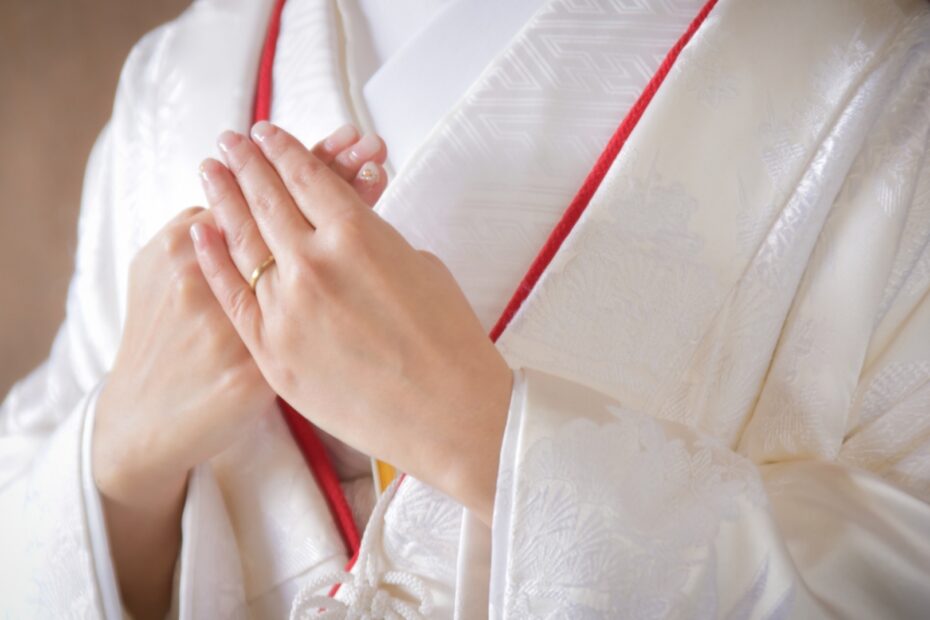
The bride traditionally wears a white kimono called a shiromuku, symbolizing purity. The groom typically wears formal black attire, including a montsuki haori and hakama. Modern variations may incorporate contemporary elements while preserving traditional style.
How long does a Shinto wedding ceremony last?
Most Shinto wedding ceremonies last between 20 and 40 minutes, depending on the shrine and the specific rituals included. The ceremony is usually intimate and attended by close family members.