
A Shinto Ceremony Practiced at Kawagoe Hikawa Shrine
When people think of wedding ceremonies, exchanging rings is often the first image that comes to mind.
Yet in Japan, there are wedding rituals in which couples tie a red cord rather than exchanging rings. One of the best-known examples is the red cord ceremony practiced during Shinto weddings at Kawagoe Hikawa Shrine.
This article introduces the background, symbolism, and cultural meaning of this Japanese wedding ritual.
Kawagoe Hikawa Shrine and the Tradition of En (Connection)
Kawagoe Hikawa Shrine, located in Saitama Prefecture, is widely known as a shrine dedicated to matchmaking and harmonious relationships. The shrine enshrines deities associated with marriage and connection, making it a meaningful location for Shinto wedding ceremonies.
Among the rituals performed, there is a symbolic act involving red cords, inspired by the well-known legend of the Red Thread of Fate.
The Legend of the Red Thread of Fate
The Red Thread of Fate is a legend shared across East Asia.
According to the story, two people who are destined to meet are invisibly connected by a red thread tied to their little fingers. No matter the distance, time, or obstacles, the thread may stretch or tangle—but it will never break.
In modern Japanese culture, this legend is often associated with romantic destiny. In a wedding context, the invisible thread becomes visible through ritual.
How the Red Cord Ceremony Is Performed
During the ceremony practiced at Kawagoe Hikawa Shrine, a red cord—often crafted from traditional mizuhiki—is tied around the couple’s left little fingers.
The general flow is as follows:
- The groom ties the red cord around the bride’s left little finger.
- The bride ties the red cord around the groom’s left little finger.
- The couple offers their vows before the Shinto deity.
Through this act, an invisible bond is expressed in a visible and tangible way.
Please note that the name and exact structure of the ritual may vary depending on the venue. This article introduces a real example practiced in Japan but does not reproduce any official ceremony.
Why the Little Finger?
In the Red Thread of Fate legend, the little finger symbolizes destiny.
By tying the cord around each other’s little finger, the couple visually represents the idea that their lives are now connected.
The gesture is simple, quiet, and deeply symbolic.
Red Thread Ceremony vs. Ring Exchange
Ring exchange originated in Western wedding traditions, symbolizing eternity through the circular shape of the ring.
The red cord ceremony reflects a different philosophy—one rooted in the Japanese cultural idea of tying and connection.
A ring is worn daily as a constant symbol.
A red cord is tied in a meaningful moment.
The emphasis is placed not on ownership of an object, but on the shared action of binding.
For couples seeking a Japanese wedding ritual or a symbolic alternative to ring exchange, the red cord ceremony offers a culturally rooted option.
The Cultural Meaning of “Tying” in Japan
In Japanese culture, the act of tying carries deep meaning.
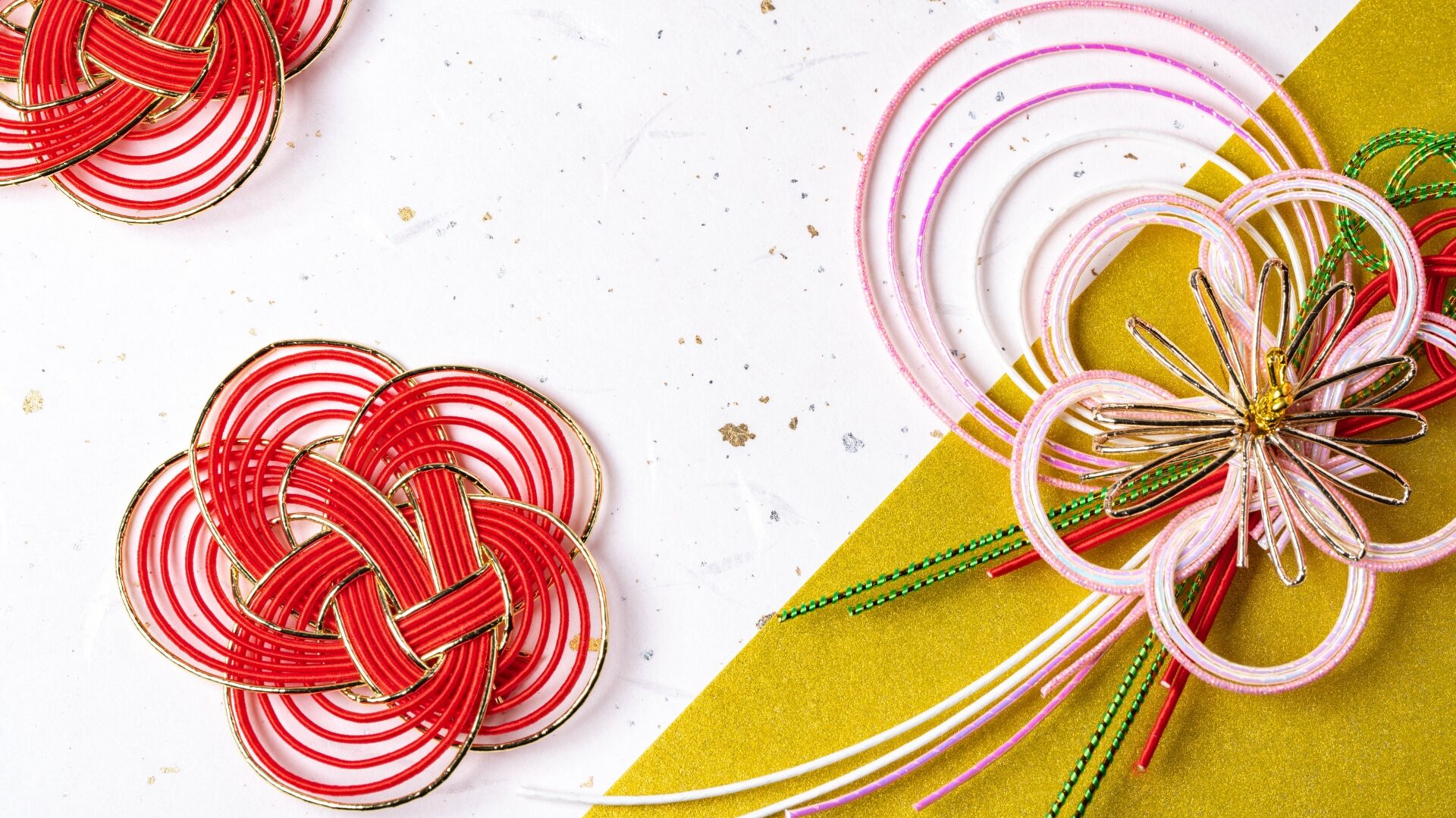
Traditional decorative cords such as mizuhiki are used in celebrations and life events, symbolizing connection and continuity. Similarly, kumihimo (traditional braided silk cord) has historically been used in ceremonial and formal contexts.
A knot represents a relationship.
To tie is to create a bond.
The red cord wedding ritual reflects this broader cultural philosophy.
Is This Ritual Only Performed at Kawagoe Hikawa Shrine?
While this red cord wedding ritual became widely recognized through Kawagoe Hikawa Shrine, similar symbolic acts may be incorporated into other Shinto or Japanese-style wedding ceremonies.
The specific name, procedure, and format may differ from venue to venue.
This article is intended as a cultural introduction and does not represent any official ceremony of a particular shrine.
Why Some Couples Choose This Ritual
Couples may choose a red thread ceremony for many reasons:
• A desire for a Japanese-style wedding
• A symbolic alternative to rings
• Cultural meaning rooted in fate and connection
• A quiet, intimate gesture during vows
Because the ritual emphasizes action rather than an object, it can feel deeply personal.
Final Thoughts
The red cord wedding ceremony practiced at Kawagoe Hikawa Shrine is a meaningful example of how cultural legend can become ritual.
Instead of exchanging rings, the couple ties a red cord.
It is understated, symbolic, and rooted in the idea of destiny.
Wedding ceremonies take many forms around the world.
What matters most is choosing a ritual that reflects your shared intention and connection.
Frequently Asked Questions
What is a red thread wedding?
A red thread wedding refers to a ceremony inspired by the East Asian legend of the Red Thread of Fate. In this ritual, a red cord is tied around the couple’s little fingers as a symbol of destiny and connection.
If you would like to learn more about the cultural background of this legend, read our article on
👉 The Red Thread of Fate in Japanese Culture
Is the red thread wedding ceremony an official Shinto ritual?
The red cord ceremony described here is practiced at certain venues, including Kawagoe Hikawa Shrine. However, its name and format may vary by location. Not all Shinto weddings include this ritual.
For a broader explanation of Shinto wedding traditions, see
👉 How a Traditional Shinto Wedding Ceremony Works
Can this ritual replace the ring exchange?
Some couples choose to include the red cord ceremony instead of exchanging rings, while others incorporate it alongside ring exchange.
If you are exploring symbolic alternatives, you may also be interested in
👉 Alternative Wedding Rituals Instead of Ring Exchange
What is the difference between mizuhiki and kumihimo?
Mizuhiki is a traditional decorative cord made from twisted paper, commonly used in ceremonial occasions in Japan. Kumihimo is a braided cord traditionally made from silk.
To understand their differences in more detail, read
👉 Mizuhiki vs. Kumihimo: Materials and Meaning
Can kumihimo be used for a wedding cord ceremony?
While many examples use mizuhiki, kumihimo (braided silk cord) can also carry deep symbolic meaning in Japanese culture.
We explore this idea further in
👉 Using Silk Kumihimo for Wedding Rituals (/kumihimo-wedding-ritual)