Introduction
Tenugui is a traditional Japanese cotton cloth that has been used in daily life for centuries.
Unlike fluffy terry towels, tenugui is a thin, flat‑woven strip of cotton, usually around 35 cm by 90 cm, with unhemmed edges. It looks simple, but it is light, dries quickly, and can be used in many different ways, from a towel to a fashion accessory or a gift wrap.
1. What Is a Tenugui?
A tenugui is a rectangular piece of cotton cloth traditionally used in Japan as a hand towel, head wrap, or everyday tool. The name comes from the Japanese words for “hand” and “to wipe,” which already tells you its original purpose as a practical towel.
Typical features of tenugui include:
- Thin, flat‑woven cotton with no loops or pile
- Size around 35 × 90 cm
- Cut edges without hemming, so it dries faster and can be torn if needed
Because it is so simple, people in Japan use tenugui in many creative ways in modern life.
2. A Short History of Tenugui
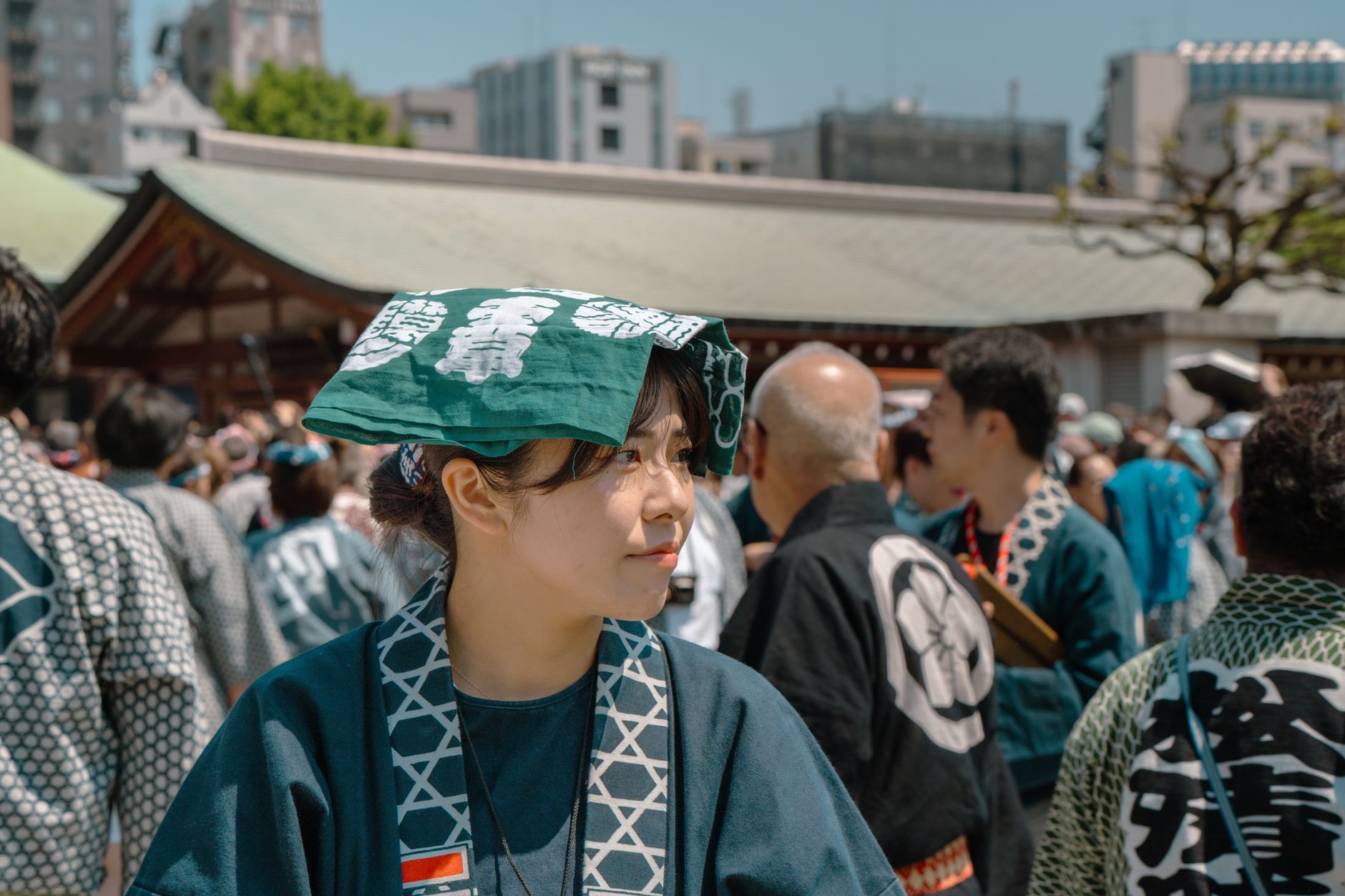
Tenugui has a long history in Japan. Early cloths for wiping and rituals already existed in ancient times, and cotton tenugui gradually came into use around the sixteenth century, when cotton cultivation started to flourish.
During the Edo period, cotton production increased, and cotton tenugui became an essential item in daily life. Tenugui spread from shrines and ceremonies into homes, bathhouses, theaters, and festivals.
Kabuki actors, sumo wrestlers, and merchants began to print their crests and unique designs on tenugui and gave them away, almost like stylish business cards or fan goods. This tradition of using tenugui as a way to express identity and taste continues today.
3. How People Use Tenugui Today
Today, tenugui is loved as a multi‑purpose cloth in Japan. Common modern uses include: (faq.japan-travel.jnto.go.jp)
- Hand towel or face towel at home, at work, or in the gym
- Headband or bandana to keep sweat away during festivals, sports, or outdoor work
- Scarf or neck wrap as a light fashion accessory
- Wrapping cloth for lunch boxes, wine bottles, or small gifts
- Kitchen cloth, placemat, or tray mat
- Interior decoration, framed on the wall or hung like a small textile art piece
- Travel towel, because it is light, compact, and dries quickly
Many people also reuse one tenugui for different stages in its life. For example, first as a hand towel, then as a kitchen cloth, and finally as a cleaning rag. This way of using one cloth until the very end makes tenugui an eco‑friendly choice.
4. Features of Japanese‑Made Tenugui
Light and quick‑drying
The thin cotton weave absorbs water well but also dries very fast. This is ideal for humid summers and for travelers who need to wash and dry items overnight.
Becomes softer with use
High‑quality cotton tenugui becomes softer and smoother the more you wash and use it. Many people enjoy this change in texture and keep their favorite tenugui for years.
Traditional dyeing and printing
Many tenugui are made using traditional techniques such as “chusen” dyeing, where dye is carefully poured through layers of cloth to create patterns that appear beautifully on both sides. Others are made with carefully controlled screen printing methods. These techniques are part of Japan’s long textile tradition.
5. Our Tenugui: Deep‑Penetration Nassen Printing and Classic Patterns
At our store, we mainly use a traditional screen printing technique called “nassen.”
The design is printed from one side, but the ink penetrates about 90% through the fabric, so the pattern is clearly visible on both the front and the back. This creates a rich, almost double‑sided effect while keeping the soft, comfortable feel of cotton.
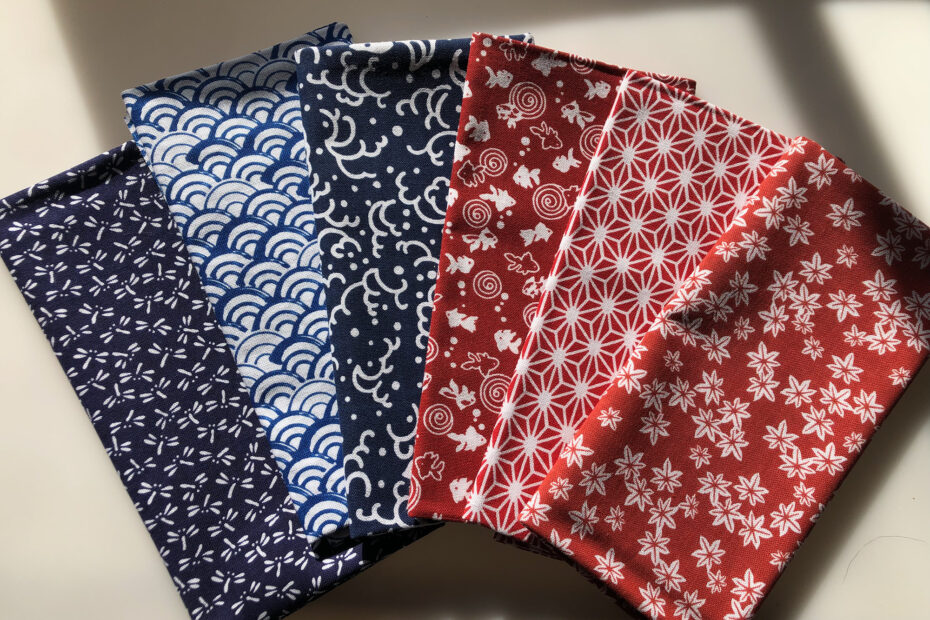
Our lineup focuses on traditional Japanese komon patterns, which are small, repeating motifs that have been loved for centuries. From a distance, komon designs look simple and subtle, but up close you can see very fine details that give each cloth a refined, timeless character.
Among our designs, blue “same‑komon” sharkskin patterns and blue “seigaiha” wave patterns are especially popular.
- Same‑komon uses countless tiny dots to create a texture that looks like sharkskin. It has long been associated with elegance and protection.
- Seigaiha, which literally means “blue ocean waves,” is made of layered arcs that suggest gentle waves and an endlessly peaceful sea.
These classic motifs look beautiful from any angle and fit many styles, whether you use the tenugui as a towel, a head wrap, a table accent, or a piece of wall art.
6. A Perfect Souvenir or Gift from Japan
Because tenugui is light, compact, and affordable, it has become a very popular souvenir among visitors to Japan.
For travelers and people living abroad, tenugui is:
- Easy to pack and carry
- Practical in daily life, not just a decorative item
- A piece of Japanese culture and craftsmanship
- Available in many designs, from very traditional to modern and playful
Many people start with one tenugui as a souvenir and then gradually collect more designs as they discover how useful and beautiful they are.
If you would like to explore different patterns at once or prepare gifts for several people, our selectable tenugui sets are a great option.
➤ Build your own 5‑piece tenugui set – choose five designs you like and create a personalized mini collection.
➤ Build your own 10‑piece tenugui set – perfect for sharing with friends and family, or for starting a larger collection.
7. How to Care for Tenugui
Tenugui is easy to care for and becomes more comfortable with use. To enjoy our printed tenugui for a long time, we recommend the following simple care tips. (media.fitspot.jp)
Recommended care
We recommend gentle hand washing and natural drying.
Tenugui dries very quickly, so you do not need a dryer.
You can also use a washing machine, but please wash the tenugui separately from white or light‑colored items, especially at the beginning, as the color may bleed slightly.
Avoid tumble dryers and strong friction
Please avoid using tumble dryers or drum‑type washer‑dryers. The strong friction and heat can damage the fabric and cause the colors to fade faster.
When washing, do not scrub the fabric too hard. Strong rubbing may cause some color to come off. Gently press and squeeze out the water by hand, smooth the cloth with your hands, and hang it to dry in a well‑ventilated place out of direct sunlight.
By following these simple steps, you can keep your tenugui looking beautiful and enjoy how the fabric gradually becomes softer over time.