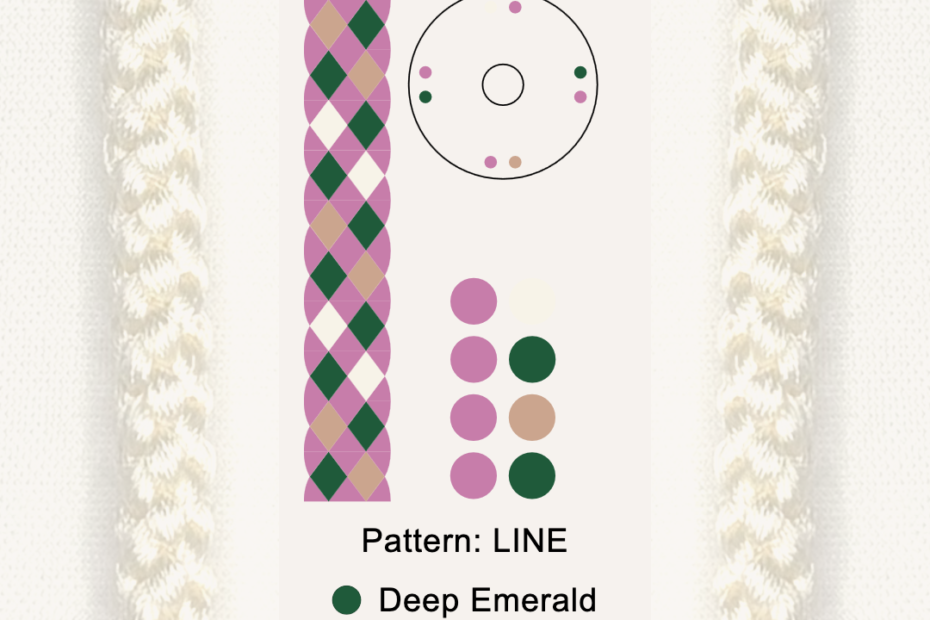
Kumihimo is a traditional Japanese braiding technique used to create decorative cords. The word “kumihimo” literally means “gathered threads,” referring to the process of braiding multiple strands into a structured cord.
Today, kumihimo is known around the world, especially in jewelry making. Many people use it to create bracelets, necklaces, and decorative cords. However, the meaning of kumihimo can differ depending on whether you look at it from a traditional Japanese perspective or a modern craft perspective.
Understanding this difference helps explain why kumihimo found online often looks different from traditional Japanese braids.
The Meaning of Kumihimo in Japan
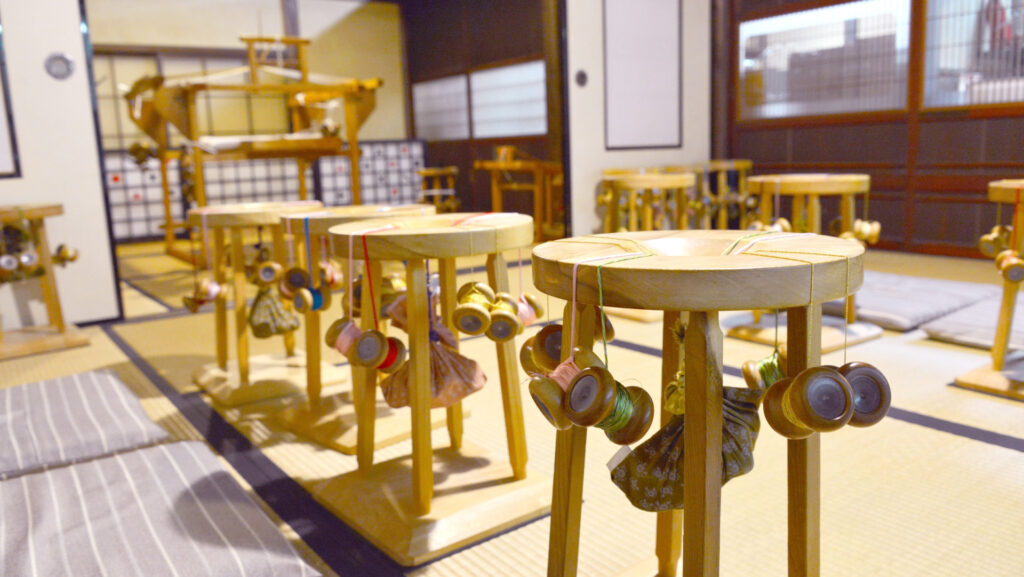
In Japan, kumihimo refers to a long tradition of decorative braiding used in clothing, armor, and ceremonial objects.
Historically, kumihimo cords were used for many purposes:
- securing samurai armor
- tying kimono and obi accessories
- decorative cords for tea ceremony utensils
- ornamental cords for scrolls and sacred objects
These cords were not only decorative but also functional. Strength, flexibility, and structure were all important.
Traditional kumihimo is created using specialized tools such as the marudai (a round braiding stand) and weighted bobbins called tama. These tools allow the braider to control tension while working with multiple strands of silk.
The structure of the braid is carefully defined. Different braid structures have different names, patterns, and uses.
Traditional Kumihimo Braiding
Traditional kumihimo focuses on braid structure.
The pattern of a braid is determined by several elements:
- the number of threads
- the starting position of the threads
- the sequence of movements during braiding
By changing these elements, many different braid structures can be created.
Japanese braiding traditions include numerous braid types, each with its own appearance and historical context. Some braids create round cords, while others produce flat or hollow structures.
Because of this structural complexity, traditional kumihimo is often studied as a textile technique rather than simply a craft project.
How Kumihimo Spread Around the World
In the late 20th century, kumihimo began to attract interest outside Japan.
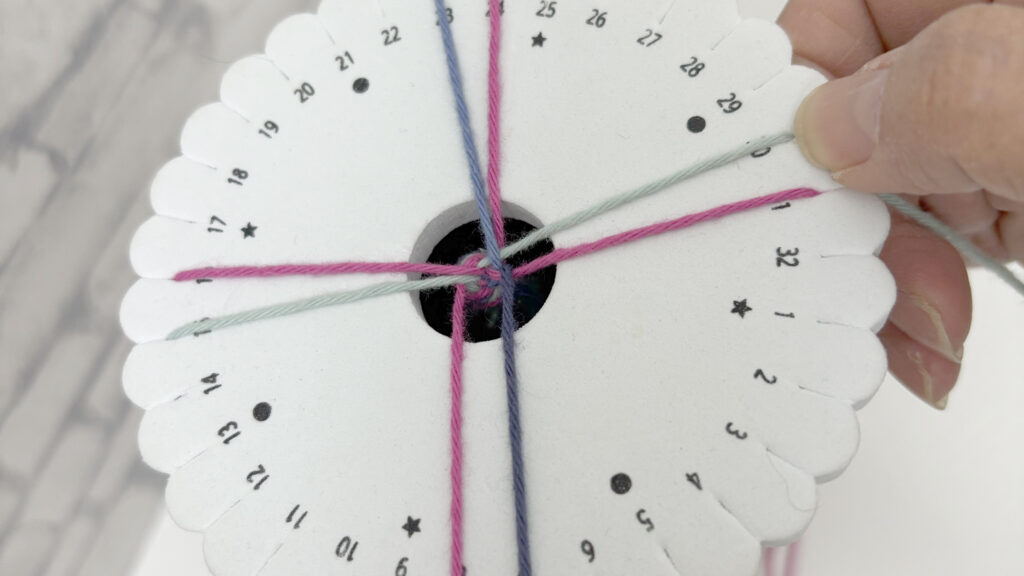
Craft books and jewelry designers introduced simplified ways of braiding cords, making the technique accessible to beginners. One of the most important developments was the kumihimo disc.
The kumihimo disc is a foam tool with evenly spaced slots that hold threads in place. Instead of using a traditional braiding stand, beginners can move threads around the disc to create braided cords.
This made kumihimo much easier to learn, and the technique quickly became popular in jewelry making.
As a result, kumihimo began to appear in craft communities, beadwork tutorials, and online design platforms.
Modern Kumihimo in Jewelry Making
Today, many people outside Japan learn kumihimo through jewelry tutorials.
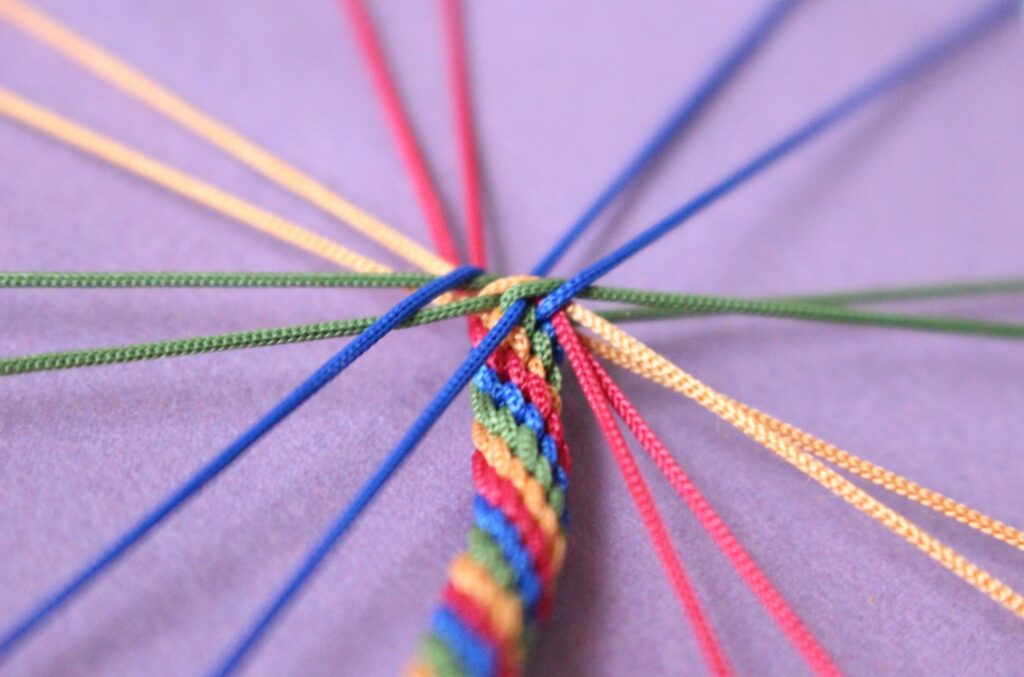
The most common beginner braid uses eight strands of thread and produces a spiral cord. This braid is often used to create bracelets or necklaces, sometimes with beads added into the braid.
Because the braiding movement is simple, many modern kumihimo designs focus on color combinations rather than complex braid structures.
By changing the arrangement of thread colors, makers can create many visual patterns even while using the same basic braid.
This approach has made kumihimo especially popular in online craft communities and visual platforms like Pinterest.
Designing Kumihimo Color Patterns
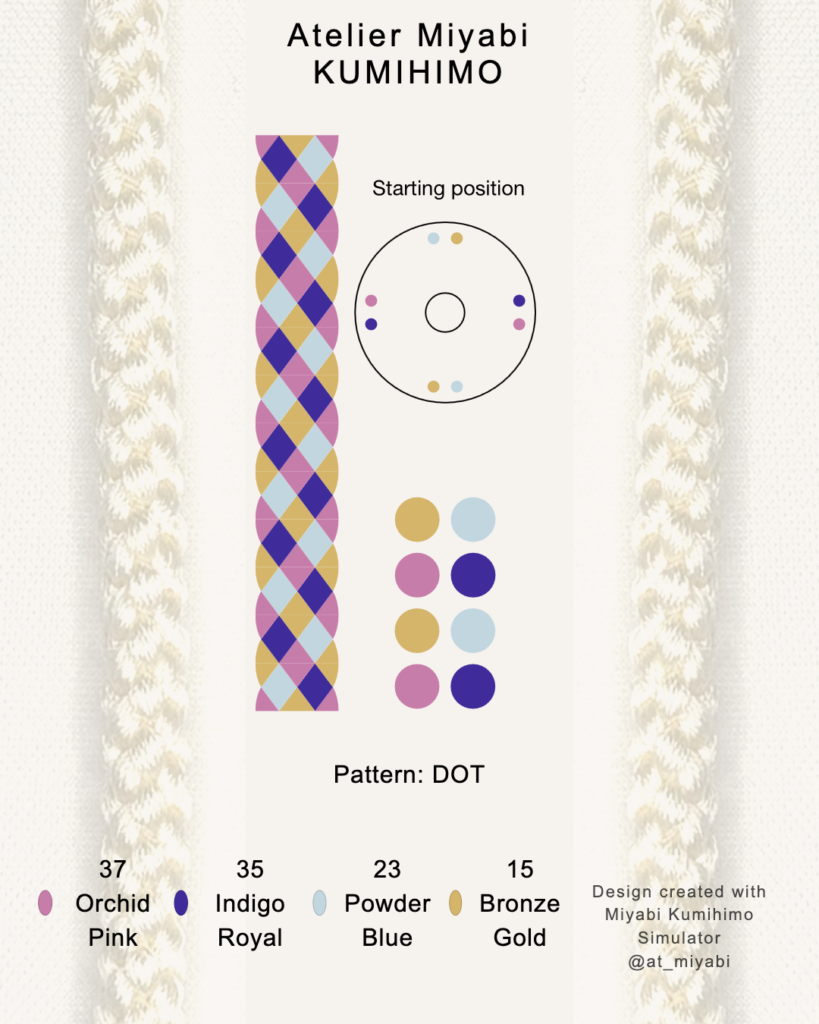
For many modern kumihimo makers, color placement plays an important role in the final design.
Different thread arrangements can produce stripes, spirals, dots, or repeating color sequences along the braid.
Experimenting with these combinations can be difficult when working directly with thread. For this reason, many makers first test color ideas visually before braiding.
Digital tools and pattern visualizations make it easier to explore different combinations and discover new braid designs.
You can experiment with different braid color combinations using our
Kumihimo Color Pattern Simulator.
Kumihimo as Both Tradition and Craft
Kumihimo today exists in two overlapping worlds.
On one side, it is a traditional Japanese textile art with deep historical roots and complex braiding structures.
On the other side, it has become a modern craft technique used by jewelry makers and hobbyists around the world.
Both perspectives are part of the story of kumihimo. The global popularity of kumihimo has introduced many new people to the beauty of braided cords, while traditional techniques continue to preserve centuries of craftsmanship.
Understanding both sides helps us appreciate how this ancient braiding technique continues to evolve today.