Samurai Exhibition at the British Museum, London
From February to May, the Samurai exhibition at the British Museum offers UK audiences a rare opportunity to explore samurai culture beyond popular images of warriors and swords.
Rather than focusing solely on combat, the exhibition presents samurai as complex figures shaped by social roles, craftsmanship, and historical change. Through authentic artefacts, visitors gain a clearer understanding of how samurai lived, worked, and contributed to Japanese society.
Around 280 objects from museums and private collections in Japan and overseas are displayed, many of them rarely shown to the public.
To understand samurai culture more deeply, it is essential to look at the traditional craftsmanship behind their armour and equipment, including the art of kumihimo, the Japanese technique of braided cords.
Samurai Myths vs Historical Reality
How the Image of the Samurai Was Created
Outside Japan, the samurai is often imagined as a lone warrior defined only by honour and the sword.
The exhibition challenges this simplified image by showing how samurai identities were repeatedly reinterpreted over centuries.
Political agendas, artistic trends, and later popular culture all shaped what we now recognise as the “samurai myth.”
In reality, samurai were not only fighters but also administrators, scholars, and cultural leaders.
This contrast between myth and historical reality is one of the exhibition’s strongest themes, especially for visitors whose knowledge of samurai culture comes mainly from films or games.
Japanese Craftsmanship Behind Samurai Culture
Armour, Textiles, and Braided Cords
One of the most compelling aspects of the exhibition is its focus on craftsmanship. Samurai equipment was never purely decorative; every element was designed for practical use.
Displayed objects highlight:
• Precisely constructed armour such as kabuto helmets and dō cuirasses
• Textiles and garments reflecting rank, movement, and seasonal use
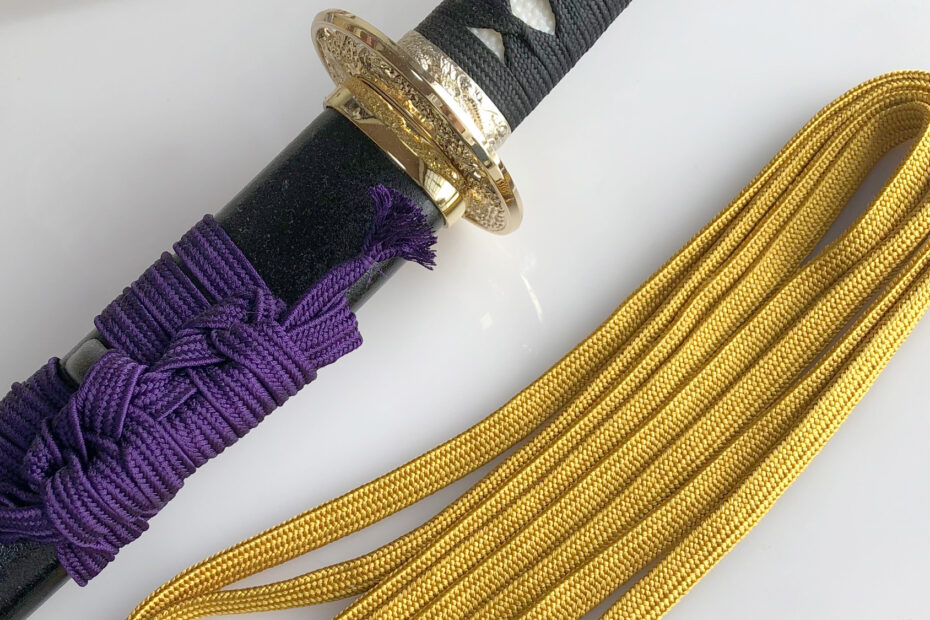
• Braided cords used to secure armour and swords, including functional elements such as sageo
Braided cords, produced using traditional techniques like kumihimo, played an essential role in samurai equipment. These cords balanced strength, flexibility, and visual harmony—qualities still valued in Japanese craft today.
The exhibition makes clear that Japanese craftsmanship was deeply connected to daily life, function, and meaning.
Beyond the Sword: Daily Life and Society
While swords remain an important part of samurai identity, the exhibition places them within a broader social context.
Folding screens, ukiyo-e prints, and everyday objects reveal how samurai lived during times of peace as well as conflict.
These materials show samurai as members of a structured society, bound by responsibility as much as by martial skill.
By presenting artefacts related to administration, ceremony, and domestic life, the exhibition expands our understanding of samurai culture beyond the battlefield.
Why This Samurai Exhibition Matters in the UK
For UK audiences, the exhibition offers more than historical information. It provides insight into Japanese values such as precision, restraint, and respect for materials—principles that continue to influence contemporary design and craft worldwide.
By placing myth and reality side by side, the exhibition encourages visitors to move beyond stereotypes and engage with historical evidence. It also highlights how traditional Japanese craftsmanship remains relevant in modern creative practice.
Visiting Information (Overview)
Location: The British Museum, London
Exhibition period: February to May
Main themes: Samurai culture, history, and Japanese craftsmanship
Frequently Asked Questions
Is the Samurai exhibition at the British Museum suitable for beginners?
Yes. The exhibition is designed for visitors with little prior knowledge of samurai history. Clear explanations and contextual displays make it accessible while still offering depth for those familiar with Japanese culture.
Does the exhibition focus only on swords?
No. While swords are an important feature, the exhibition places equal emphasis on armour, textiles, daily life, and craftsmanship. This broader approach helps visitors understand samurai culture as a complex social and artistic system.