What Is Arimatsu Tekumo Shibori?
Japanese Spiderweb Tie-Dye Tradition Explained
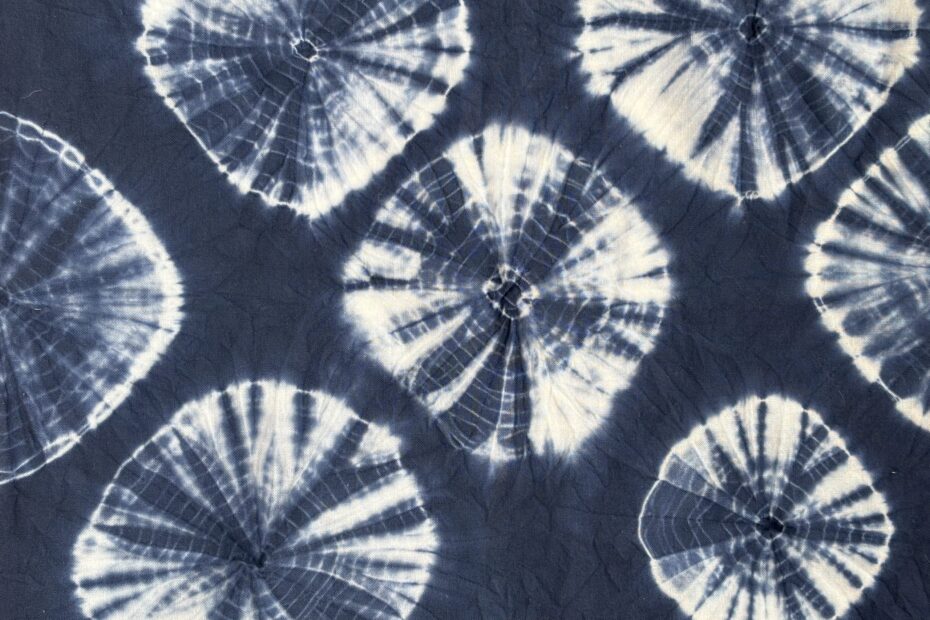
Arimatsu Tekumo Shibori is a traditional Japanese tie-dye technique known for its distinctive spiderweb-like patterns.
Developed over 400 years ago in Arimatsu, Nagoya, this technique represents one of the most refined forms of Japanese resist dyeing.
This article explains the history, technique, tools, and cultural background of Tekumo Shibori, as practiced in Arimatsu.
What Is Arimatsu Shibori?
Arimatsu Shibori refers to a group of traditional Japanese tie-dye techniques that originated in the town of Arimatsu in the early 17th century.
The history of Arimatsu as a shibori center dates back to 1608, when Takeda Shokuro and other pioneers began producing tie-dyed textiles for travelers along the Tōkaidō road.
Under the protection of the Owari domain, shibori became the region’s official specialty, leading to over 400 years of continuous craftsmanship.
Arimatsu remains the heart of Japanese shibori culture today.
What Is Tekumo Shibori?
Tekumo Shibori (also known as Kumo Shibori) is a hand-wound resist dyeing technique that produces radial, spiderweb-like patterns.
The name “tekumo” refers to the hand-wrapping process:
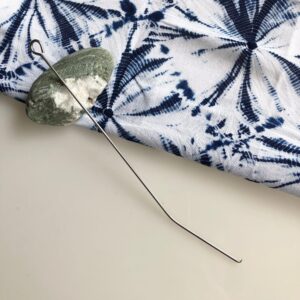
- Fabric is hooked onto a special metal hook
- The cloth is carefully gathered and wound by hand
- Thread tension determines the final pattern
This method allows for organic variation, making each piece unique.
History of Arimatsu Tekumo Shibori
During the Edo period, Tekumo Shibori became one of the most recognizable patterns produced in Arimatsu.
The prosperity of the town and its textile industry was frequently depicted in ukiyo-e prints by artists such as Katsushika Hokusai and Andō Hiroshige.
Although many prints labeled the area as nearby Narumi, the textiles themselves were known as “Arimatsu Shibori”, a name that endures today.
The preserved townscape of Arimatsu is now recognized as an important cultural heritage area.
Tools Used in Tekumo Shibori
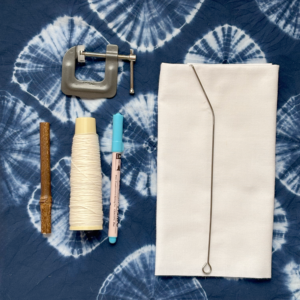
Tekumo Shibori requires specialized tools designed specifically for this technique:
- Tekumo Shibori hook
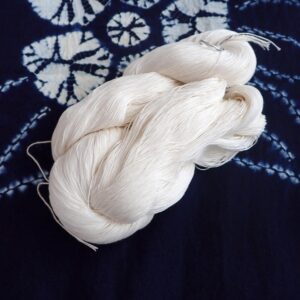
- Strong thread for gathering, yet easy to cut by hand
- Bamboo kuda (bobbin) for controlled winding
- Clamp for securing tension
These tools are not decorative items but functional implements used by professional craftsmen.
Today, authentic Tekumo Shibori tools are still produced in Japan for actual dye work.
Tekumo Shibori Today
While Tekumo Shibori has deep historical roots, it continues to evolve in modern textile practice.
Today it is used by:
- Traditional artisans in Arimatsu
- Contemporary textile artists
- Indigo and natural dye practitioners worldwide
- Educational workshops and craft schools
Its combination of structure and variation makes it especially appealing to modern makers.
Try Tekumo Shibori Yourself
If you are interested in experiencing this technique hands-on, authentic tools are available to allow beginners and artists to practice Tekumo Shibori using the same principles as traditional craftsmen.
A complete starter kit and individual tools can be found here:
- Japanese Kumo Shibori Tool Kit (Spiderweb Tie-Dye)
- Tekumo Shibori Hook (single tool)
These tools are assembled and shipped directly from Japan.
Why Arimatsu Tekumo Shibori Matters
Arimatsu Tekumo Shibori is more than a decorative pattern.
It represents centuries of accumulated knowledge, hand skill, and regional identity.
Learning about — or practicing — Tekumo Shibori is a way to connect with the living tradition of Japanese textile craftsmanship.
Written by a Japanese textile specialist supplying authentic shibori tools from Japan